
Filed under: Uncategorized
I started my first garden in 1990. not to grow my own food, but to create my own little piece of paradise in the backyard where I could escape “the real world”. A garden is more than rows of herbs and vegetables, it is also a wildlife sanctuary, creating habitat* for many creatures from the birds to the bees.
At the time I was working for Miami-Dade County as a pollution control inspector and witnessing (literally) some of the ugly stuff being done to the world, and television program called ‘Your Organic Garden with Jeff Coxx, showed me how to create my own little paradise in the backyard, as well as using common, household, items: Reduce, reuse, recycle.
The most important part of a garden is the top soil, and the soil needs to be cared for, the soil is your pet; the plants come and go, but the soil remains year after year to grow those plants. All life, including the soil, which is like a coral reef with lots of life living inside, needs air, water, food, and shelter (TLC also helps- the farmers foot prints). Fertile soil is the key to gardening, although plants can be grown without soil with hydroponics, or aeroponics, but the TLC is in the time and expense required to deliver the chemical nutrients(plant food).
My garden is about creating ‘wildlife habitat’ for the creatures who have lost habitat due to development: “Pave paradise and put up a parking lot”…Joni Mitchel). Mr Coxx showed me how to build new homes for these creatures, and I have been blessed with humming birds, bumble bees, lizards, dragon flies, bats, deer, salamanders, and frogs.
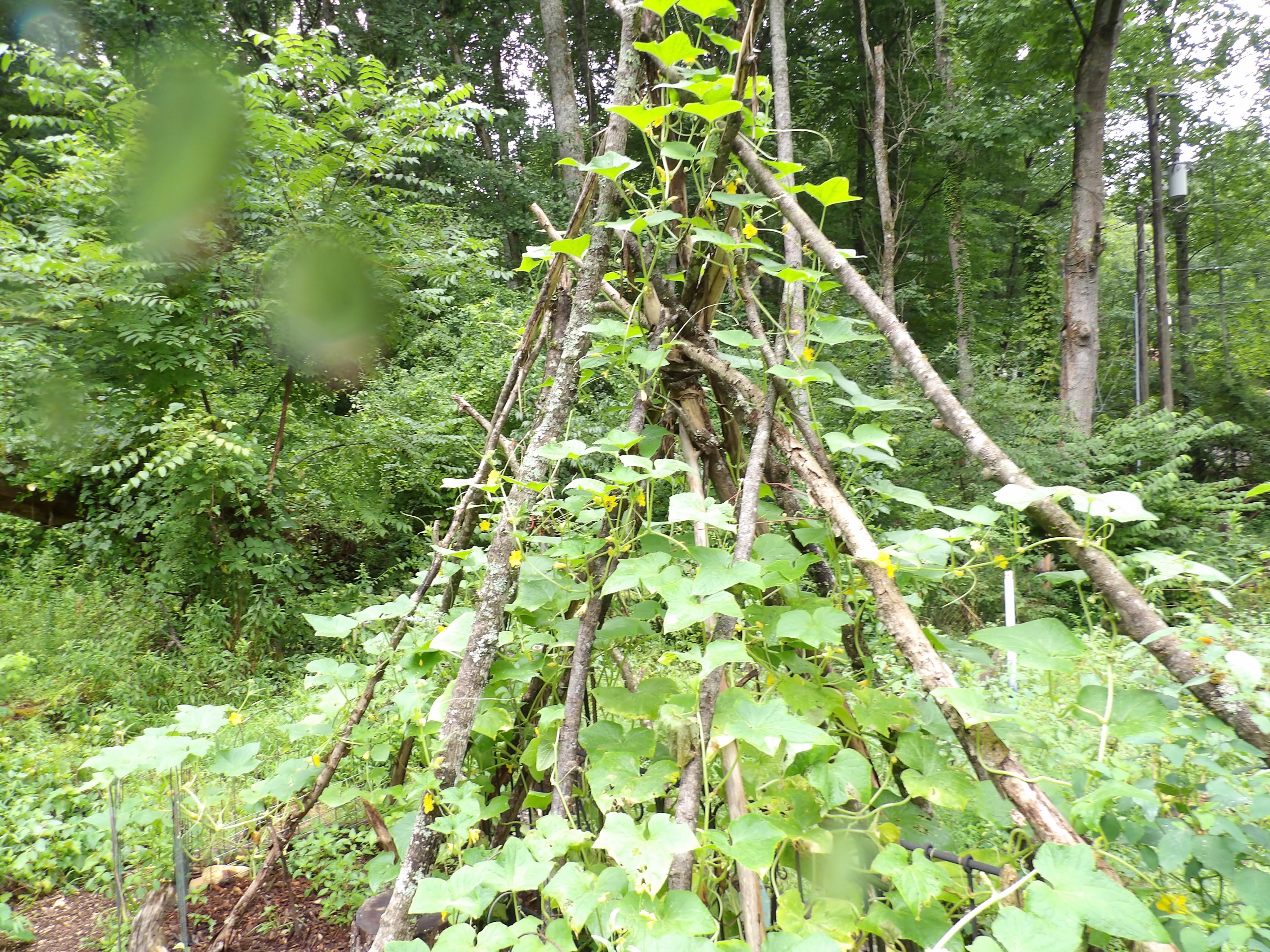
Woodshavings: one mans trash is another man’s treasure
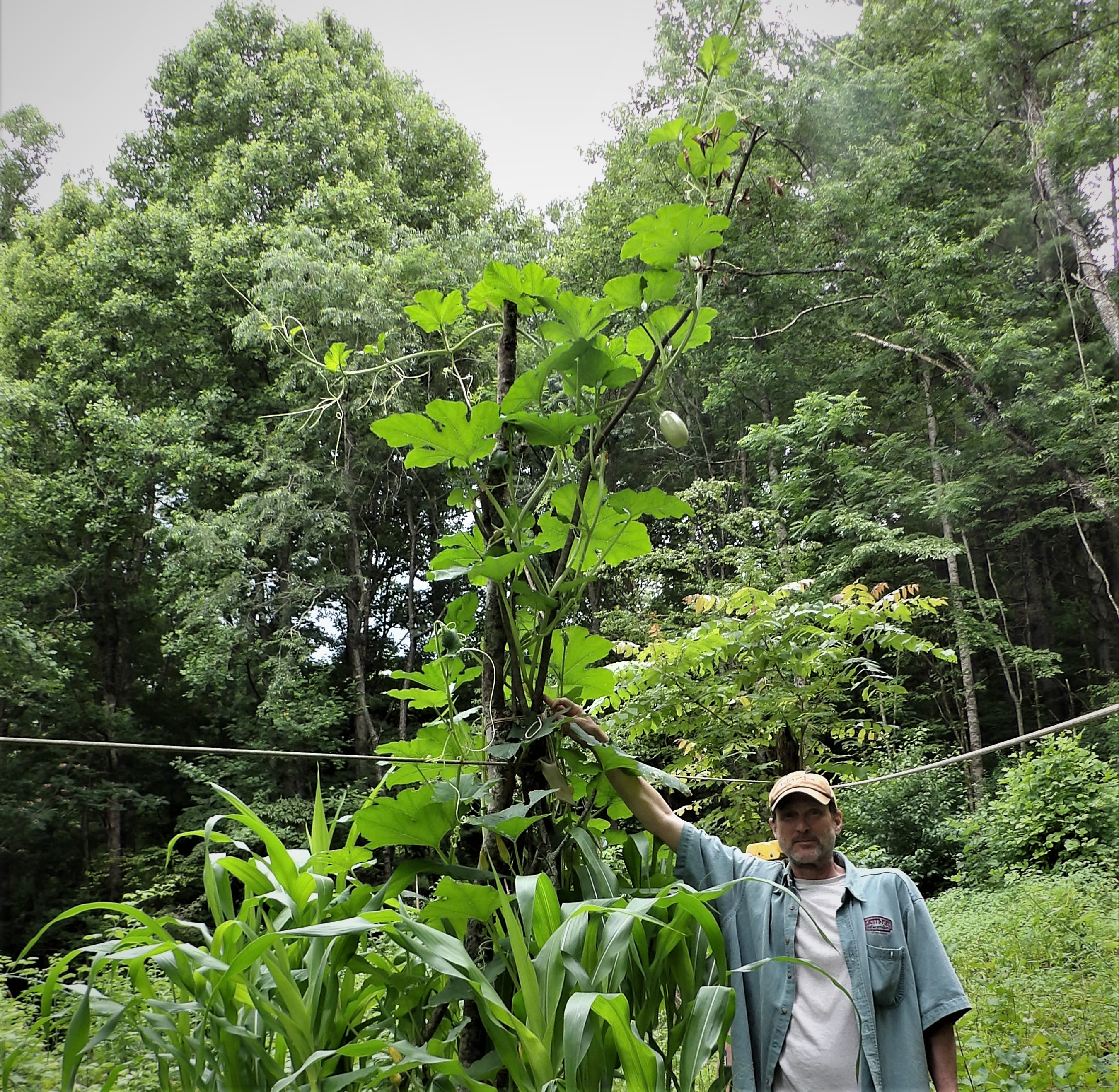
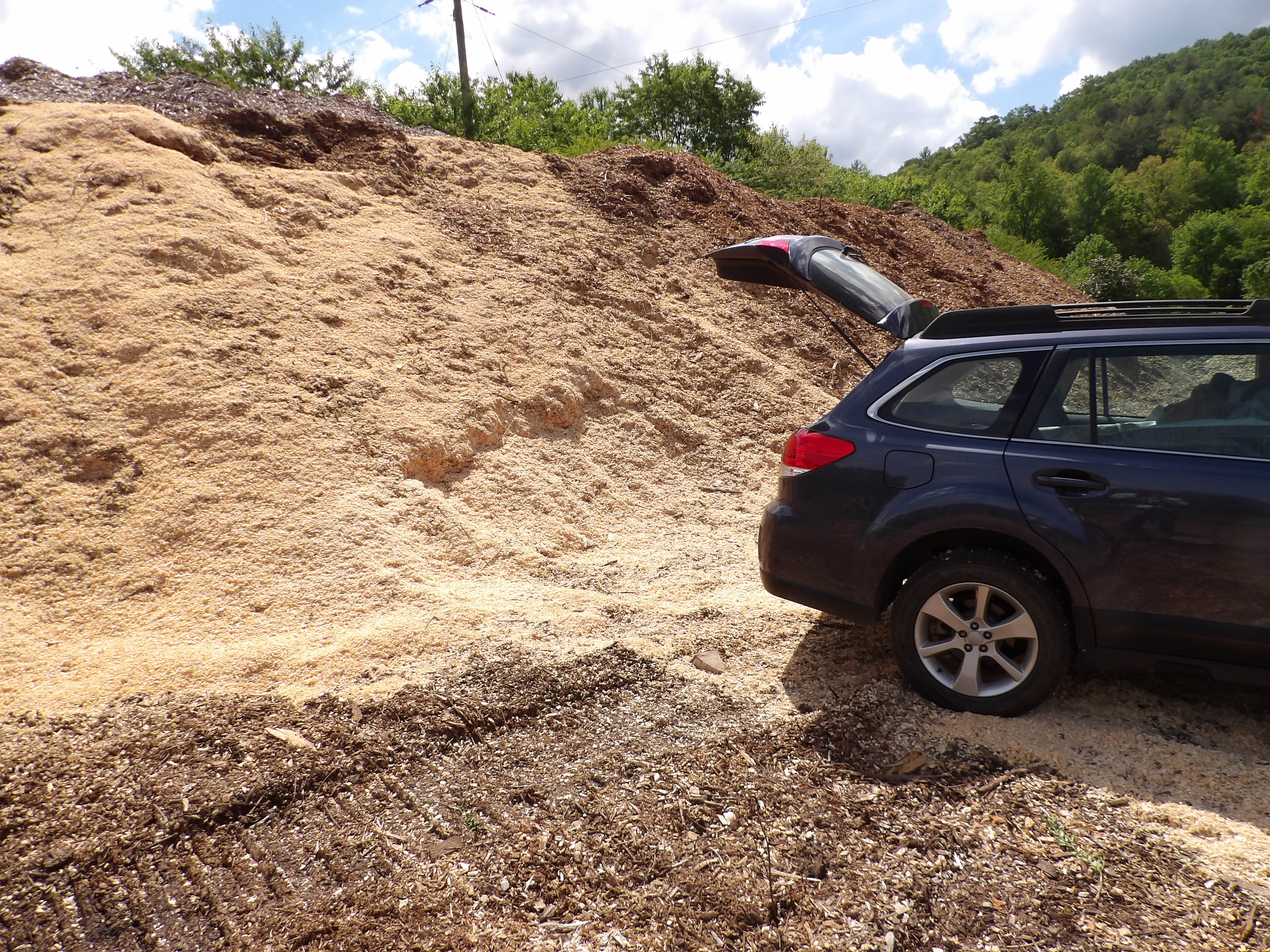
In 2016 I found treasure while out for a walk around my neighborhood. I’ve always loved going for walks, and where I live NC, there are lots of little winding country roads everywhere, and one of these roads, two miles from my house, had big lot with giant piles of wood chips (see pic1). A local tree trimming company was dumping the wood chips they produced with their industrial sized wood chipper. I contacted the owner for permission to take some chips, and he told me to take all I wanted. For him, the wood chips were a costly disposal problem, where I used to live in Boulder Colorado, you had to pay for wood chips which were treated as a valuable resource(managed), where here, the chips where simply being burned away periodically to dispose of them(waste is a verb, not a noun).
In Boulder, wood chips are sold to county residence after being made from the yard waste county residence disposed of. Wood chips are the perfect mulch. They ‘breakdown’ into more soil while helping prevent erosion from wind, rain, and sun*, like a blanket. (intense solar radiation causes sunburns on us, but can kill soil microorganisms involved in the ‘composting process’ where leaves, twigs, dead plants etc, are ‘recycled’ into soil, can be harmed.
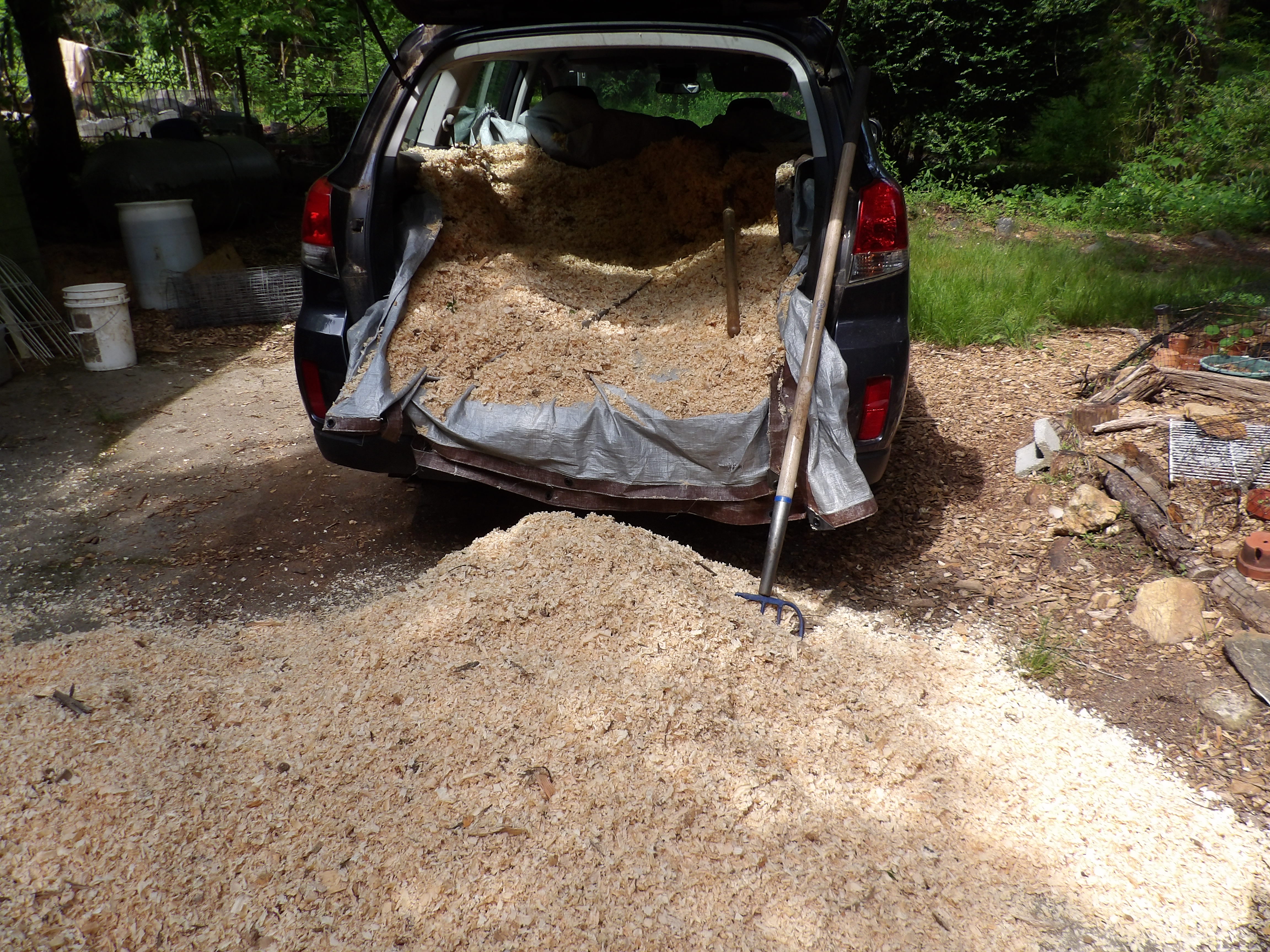
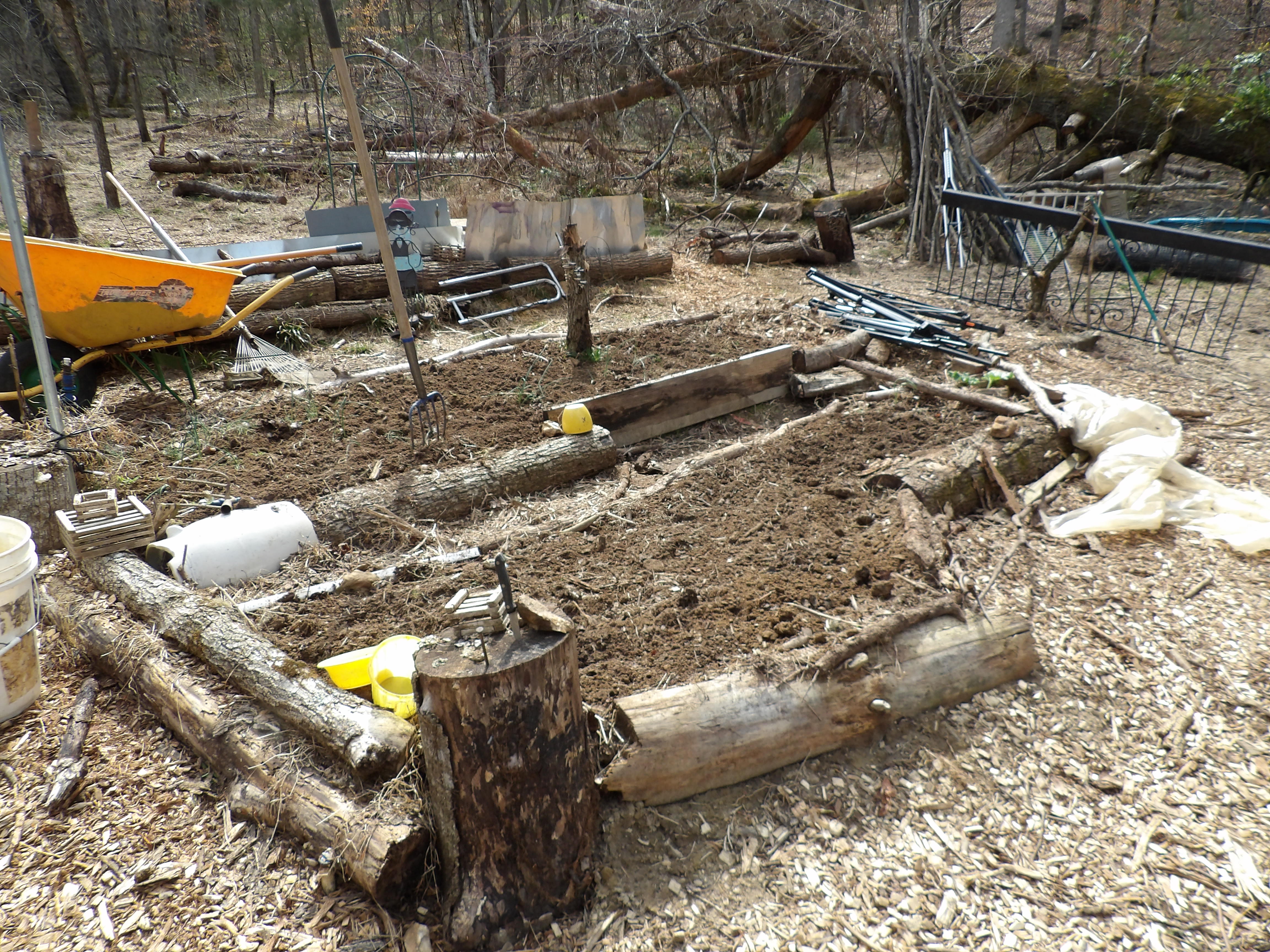
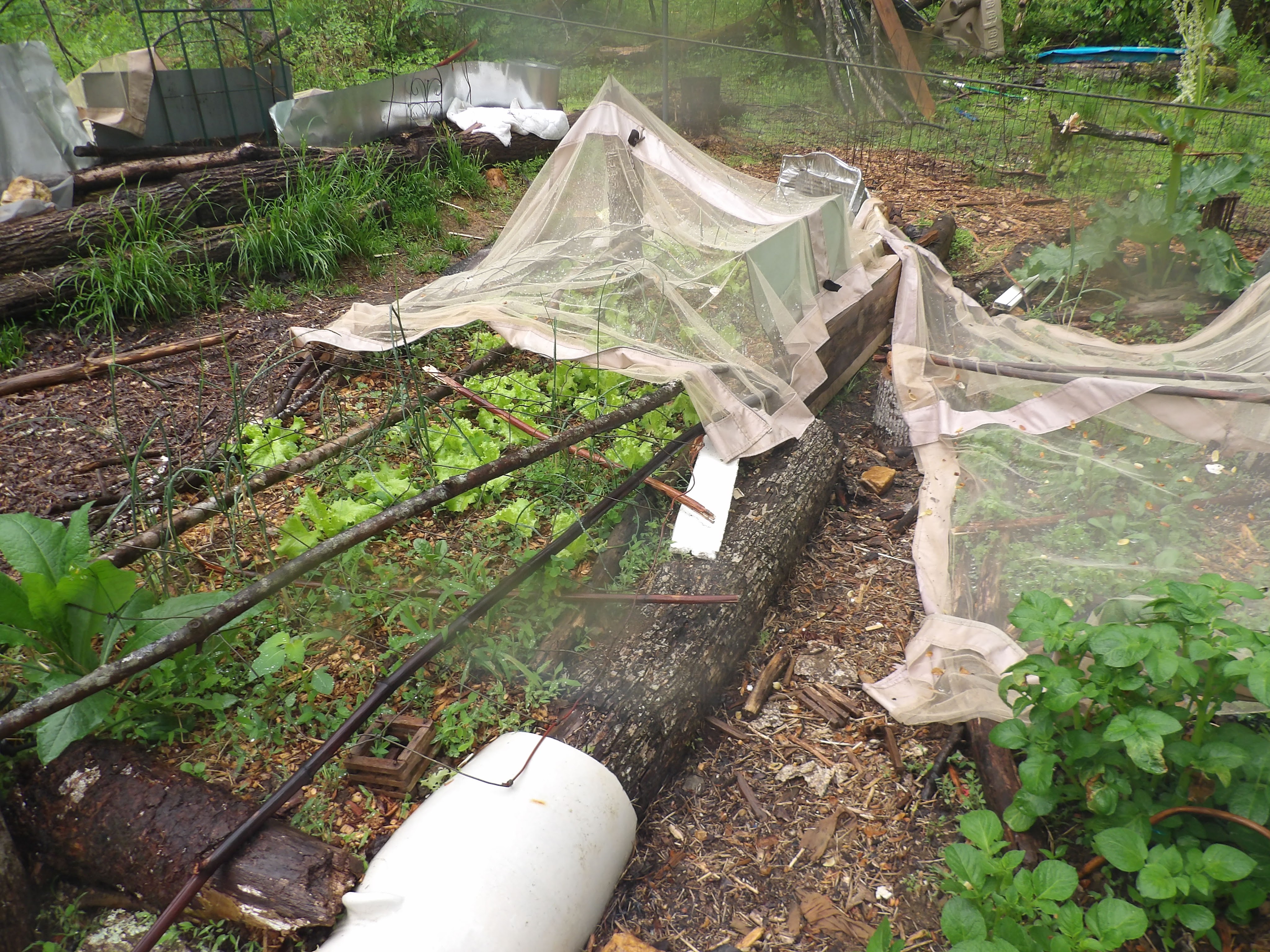
My house in NC is on the north slope of a hill, and the gentle slope makes the soil erosion problem much worse. The soil needs protection from being washed away by rain(garden beds are soil containers- see pic3), or blown away by the wind, or degraded by the sun(sunburn). So, for years I would hike over to see what kind of chips they had, and getting to choose the kind of wood chips I wanted from oak an black walnut to pine.
The only problem with mulch is that as it breaks down over time, it uses up lots of soil nitrogen which then must be replenished with fertilizer, or the plants will suffer from nitrogen deficiencies(“plants eat at the second table”, after the microorganisms). Urine is an excellent resource for replenishing soil nitrogen, and recycles two “wastes”, urine and yard waste, into one resource, top soil). * Urine should always be diluted at least 3 parts water to 1 part of urine- small amounts of sugar can help provide an energy boost for microorganisms involved in the composting/recycling process.

The last pic is of my favorite tool, a fake hunting knife with a big blade which (should) slip easily down into good soil to indicate(measure) how ‘tight’, or compacted, the soil is according to how hard it is to insert the blade into the soil; tight soil makes it harder(or impossible) for air (oxygen) and water to penetrate down to the plant’s roots. After inspiring The blade, the knife can be levered up to help aerate the soil and break up, any compacted soil, allowing oxygen and water to enter.(plowing the soil)

Leave a Comment so far
Leave a comment

