
Filed under: Uncategorized
I started my first garden in 1990. It was not about growing all my own food (which would be nice if it were possible), but it was about creating my own little paradise in the backyard, and a place to escape “the real world”. At the time, I was working as a pollution control inspector for Miami-Dade County, and my job was to witness (literally) some of the ugly stuff going on. The idea for creating a garden came from a television program called ‘Your Organic Garden with Jeff Coxx’,and Mr Coxx was showing me exactly how to create that paradise using common, household items.
The most important part of any garden is the soil, or “top soil”. The garden soil is like a pet, and needs to be taken care of, or nurtured; given the basics of water, food, and shelter, and TLC, or tender loving Care, is also very helpful. Fertile soil is the key to gardening; growing plants without soil is hydroponics, and hydroponics requires lots of expensive chemical nutrients. For me, gardening is not about growing food, but creating ‘wildlife habitat’, where creatures who have lost there homes due to development, can build new homes and thrive while encouraging some, and discouraging others (pulling weeds; the alternative is a world filled with weeds, rats and roaches; ‘pests’ which are being unintentionally nurtured, by not nurturing beneficial organisms like ladybugs, dragon flies and birds.
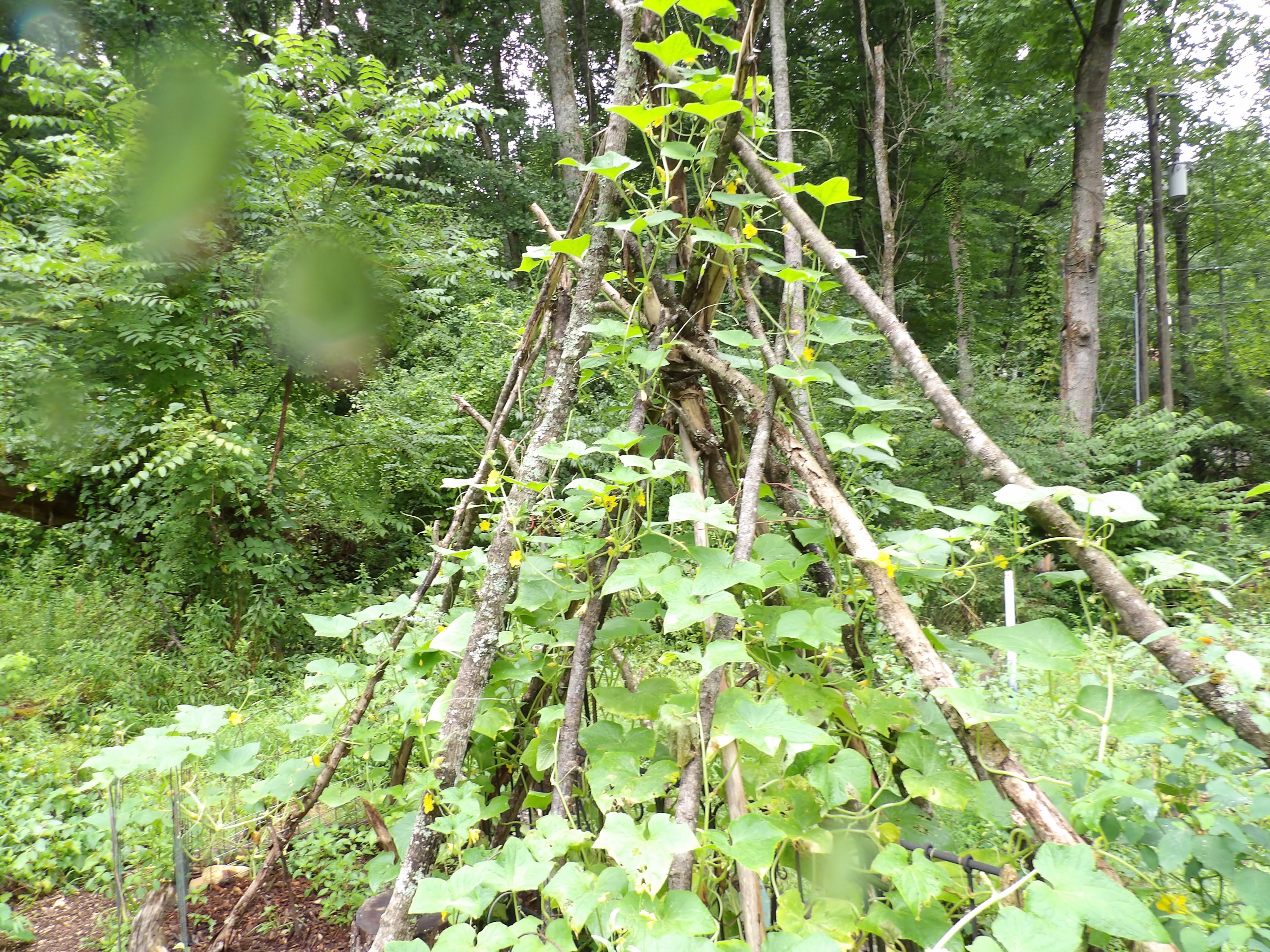
Woodshavings: one mans trash is another man’s treasure
In 2016 I found some treasure. A huge trove of woodchips nearby, on a little country road, about two miles from my house, where a local tree trimming company was dumping the wood chips they produced cutting down, and disposing of, the trees they cut down with their industrial sized wood chipper. I contacted the owner who told me I could take all I wanted, as the wood chips were disposal problem, and cost, for him. I have lived in places where wood chips where a valuable a commodity, an sold as mulch to help protect the soil from erosion from wind and rain, as well as providing shade(intense UV radiation causes sunburns, but is also harmful to soil microorganisms involved in the ‘composting process’
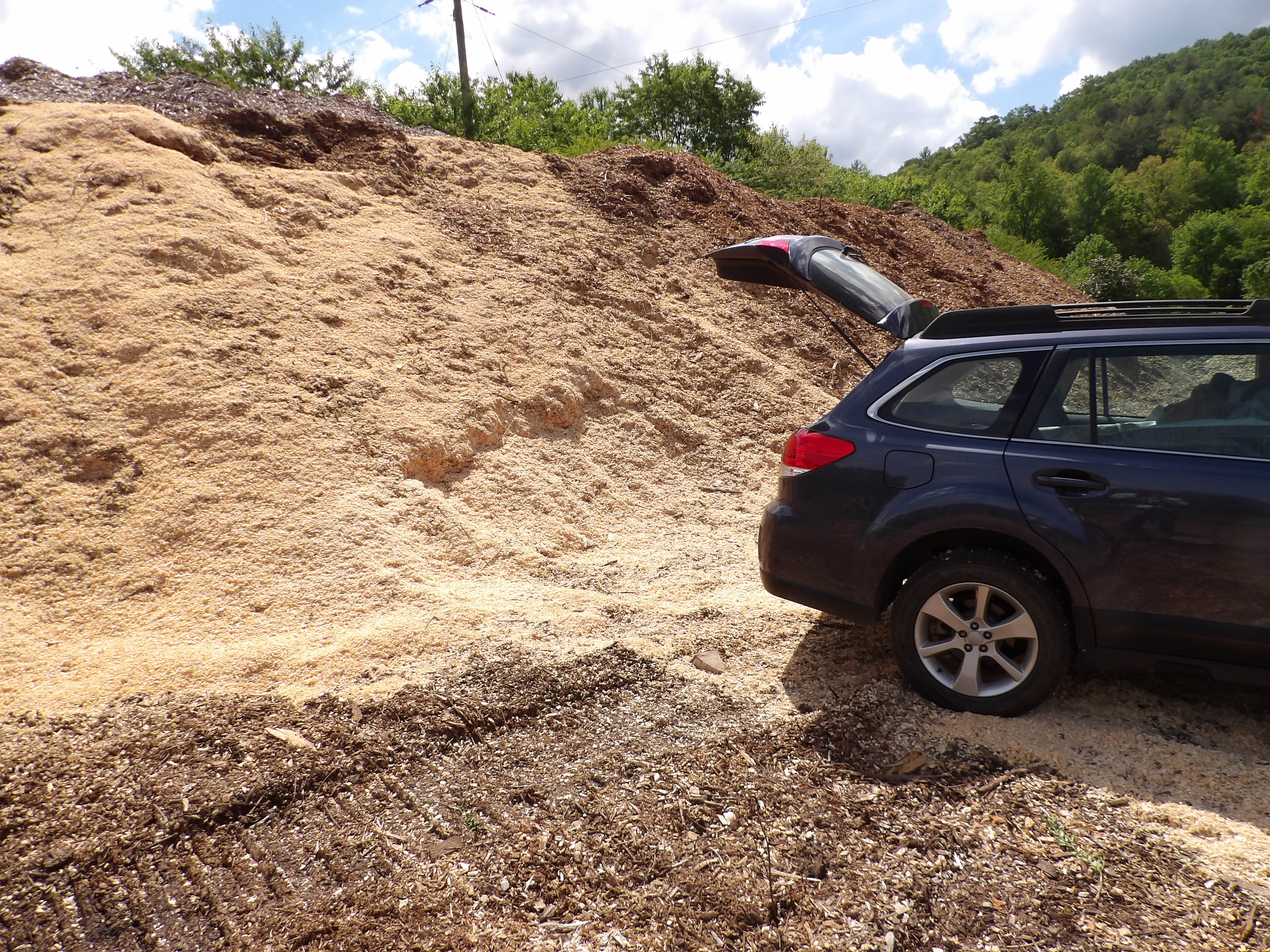
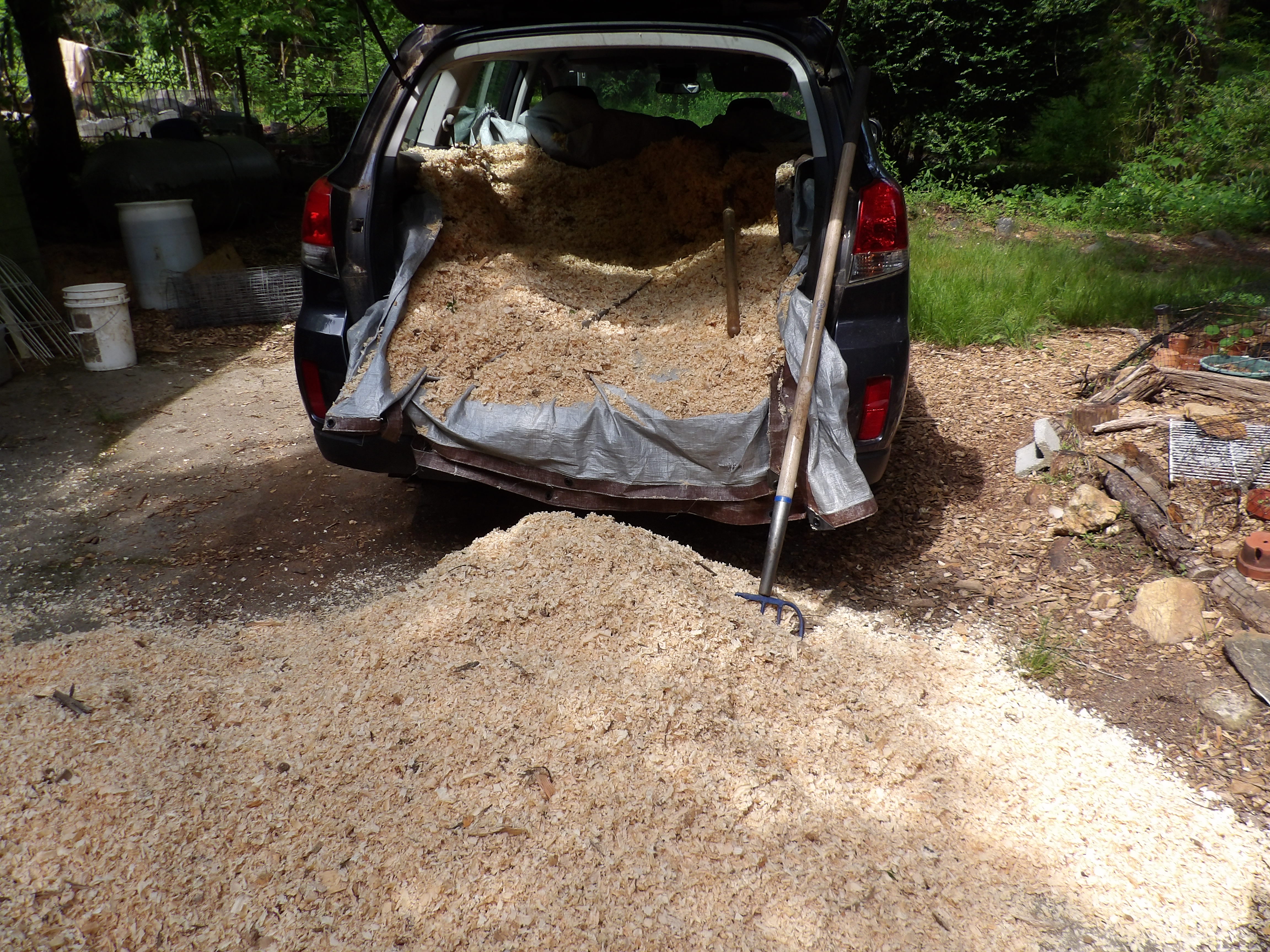

My house is on the north slope of a hill, and the gentle slope makes he erosion problem worse, so there is a greater need for protecting the soil from washing away. For years I would hike over to he site to see what kind of chips they had making me ‘chip rich’, with a choice of wood chips from oak, black walnut, and pine. The owner had also told me once the best chips come out right after the blades on the chipper have sharpened, which makes the chips come out smaller and more uniform in size. One day they had something better than wood chips, they had wood shavings. I don’t know where they came from, but I got four car loads of wood shavings are thin, curled up, ribbons of wood which are very light and “fluffy” (low density), and perfect for mulching around tender, newly sprouted, plants which are easily damaged (and killed) by larger and heavier wood chips.
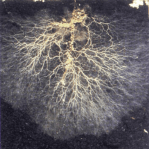
The value of mulching is that mulch not only protects the soil from being lost (wind and rain erossion), but also become more top soil over time in the ‘composting process’. Woody materials (chemicals like primarily cellulose and lignin), are transformed by a ‘biological process’ into more ‘top soil’, and more soil means better plant growth. Top soil is similar to an ocean reef where there is a solid (non-living) structure with lots (and lots) of organisms living on, and in, that structure. The root hairs of plants (see pic) also inhabit this structure, and the roots themselves exude certain nutrients which help boost the growth of microorganisms(like gardening) which provide the plant with the nutrients it needs
‘Bare soil’ does not exist in nature, the ground is always covered with leaves, twigs and other ‘woody materials’ which are the direct products of photosynthesis, aka ‘primary production’. These woody materials, aka mulch, provide the protection and insulation to help keep the soil underneath healthy. Protecting the soil from drying out and blowing away in the wind, or ultraviolet radiation damage during the harsh noonday sun; turning the soil into dirt, and the dirt gets eroded away by the wind or rain.
The only problem with using mulch brought in from elsewhere (like the store) is that the composting process uses lots of nitrogen from the soil and must be replenished by fertilizers, or the plants will suffer from nitrogen deficiencies(“plants eat at the second table”, after the microorganisms). This process uses a lot of nitrogen, which must be replaced and urine is an excellent source of nitrogen. Urine is a natural fertilizer which can be used to recycle two “wastes” (urine and yard waste) into one valuable commodity: Top soil. * Urine should always be diluted at least 3 parts water to 1 part urine- tiny amounts of sugar can also help provide an energy boost for microorganisms involved in the composting process.

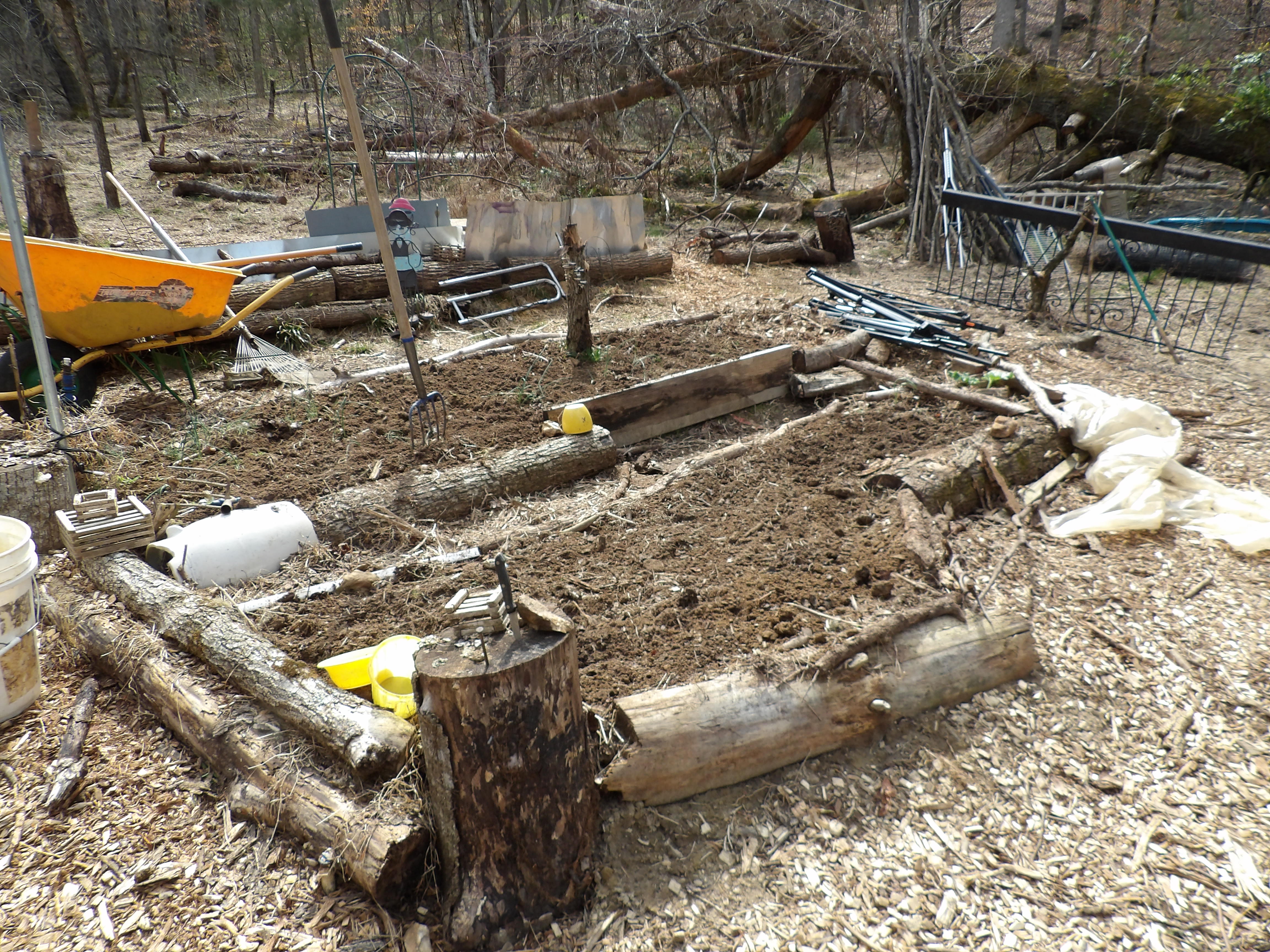
The last pic is of my new favorite tool, the hunting knife. The big blade (should) slip down easily into the soil and indicate how ‘tight’ the soil is according to how hard it is to insert the blade; tight soil makes it harder(or impossible) for air (oxygen) and water to penetrate down to the plant’s roots; the wide sturdy blade can break up, and pry up, compacted soil to and allow oxygen and water to enter.(what good is food without oxygen and water?)
Leave a Comment so far
Leave a comment
 Greenenvironmental's Blog